
OpenAI Launches ChatGPT Health: A Game-Changer for Personal Wellness?



The way we understand and manage our health is evolving rapidly. For years, most of us have relied on Google searches to decode symptoms, lab reports, or unfamiliar medical terms—often ending up more anxious than informed. Now, OpenAI aims to change that experience with the launch of ChatGPT Health, a dedicated health-focused space designed to help users make sense of their personal medical data in a safer, more structured way.
At IndTechWorld, we closely track AI innovations, but ChatGPT Health stands out because it targets a real, everyday problem: health literacy. Instead of scattered reports across apps, PDFs, and hospital portals, this new feature promises to bring everything together and explain it in plain, human language. Let’s break down what ChatGPT Health really is, how it works, and whether it truly lives up to the hype.
What Exactly Is ChatGPT Health?
ChatGPT Health is not just another chatbot mode. It’s a separate, compartmentalized health space inside ChatGPT, specifically built to handle sensitive medical information. Unlike regular chats, this environment is designed with privacy, data isolation, and clinical responsibility in mind.
The idea is simple but powerful: instead of juggling lab reports, wearable data, and doctor notes across multiple platforms, users can centralize everything in one place and ask meaningful questions about their health trends.
Key Features at a Glance
- Medical Record Integration: ChatGPT Health can connect with U.S. healthcare providers via b.well, allowing users to import lab results, prescriptions, and clinical history.
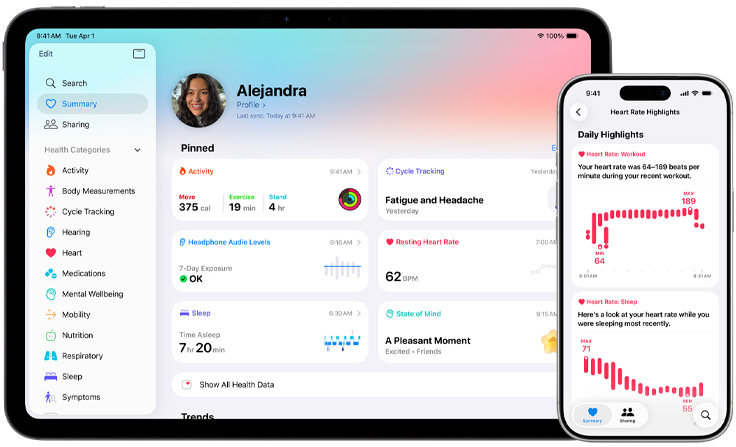
- Wearable & Fitness Syncing: It integrates with platforms like Apple Health, MyFitnessPal, and Function to track sleep, steps, activity, and nutrition.
- Physician-Vetted Responses: OpenAI collaborated with more than 260 doctors to ensure the AI explains medical data responsibly—highlighting when something is normal and clearly advising when professional medical attention is necessary.
This makes ChatGPT Health less about “guessing diagnoses” and more about understanding your own health information.
Privacy: The Biggest Concern (and the Biggest Promise)
When medical data is involved, privacy is non-negotiable. OpenAI seems to understand this concern and has made several strong commitments that set ChatGPT Health apart from generic AI tools.
- No Model Training on Health Chats: Conversations inside the Health space are not used to train OpenAI’s models.
- Data Isolation: Your health data stays separate from regular ChatGPT conversations, ensuring it doesn’t influence unrelated chats.
- Full User Control: Users can delete health memories, disconnect apps, or remove data at any time—giving complete control over what stays and what goes.
For users who have been hesitant to trust AI with personal data, these safeguards are a critical step toward building confidence.
How ChatGPT Health Is Used in Real Life
The real strength of ChatGPT Health lies in everyday use cases. Imagine receiving a blood test report filled with numbers like “0.8 mg/dL” or “LDL: 132.” Instead of guessing or panic-searching online, you can simply ask:
“How does my cholesterol compare to my last test, and should I be concerned?”
ChatGPT Health can also help you:
- Prepare for Doctor Appointments: Generate smart questions based on recent symptoms, sleep patterns, or fatigue trends.
- Simplify Medical Notes: Convert complex clinical summaries into easy-to-follow explanations or action points.
- Support Lifestyle Changes: Suggest meal ideas from Weight Watchers or fitness routines inspired by Peloton, aligned with your personal health goals.
This doesn’t replace professional advice—but it does help users walk into appointments better informed and more confident.
Is ChatGPT Health a Doctor Replacement?
Short answer: No—and it’s not trying to be.
OpenAI has been clear that ChatGPT Health is not a diagnostic tool. It won’t prescribe medication or replace medical professionals. Instead, its purpose is to improve health understanding and reduce confusion.
Think of it as a highly informed assistant that helps you interpret information, track patterns, and ask better questions—while leaving diagnosis and treatment decisions to qualified doctors.
Availability and Supported Regions
ChatGPT Health is currently rolling out via a waitlist for Free, Plus, and Pro users, with availability focused on regions outside the UK and EEA. Users in the United States—especially iPhone users—will benefit the most due to deep integration with Apple Health.
The IndTechWorld
ChatGPT Health may not be flashy, but it’s one of the most practical uses of AI we’ve seen so far. By tackling “portal fatigue” and simplifying complex health data, it empowers users without crossing ethical or medical boundaries.
For anyone who has ever felt overwhelmed by lab reports or confused after a doctor visit, this could be a genuine game-changer. It doesn’t replace doctors—it helps you communicate with them better.
