
Samsung Galaxy XR Powered by Android XR: A New Era of Immersive Reality

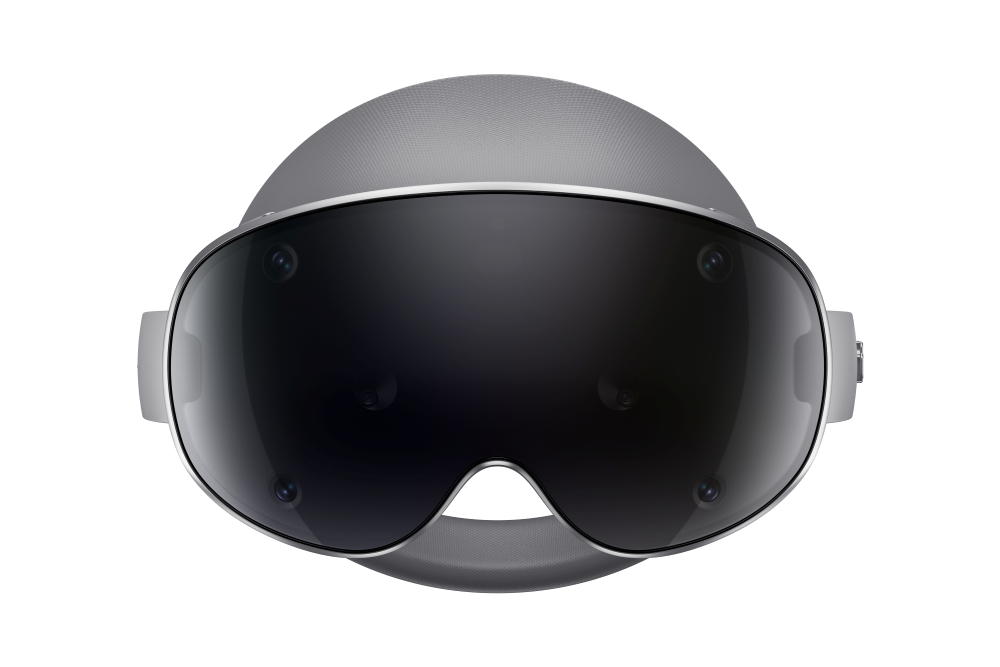
On October 22, 2025, Samsung finally unveiled one of its most anticipated innovations — the Galaxy XR headset, developed in collaboration with Google and Qualcomm. This launch marks the beginning of a new generation of AI-native, extended reality (XR) devices that bridge the gap between the physical and digital worlds.
The Galaxy XR isn’t just another headset — it’s the first-ever device built on Google’s new Android XR platform, combining Samsung’s premium hardware with Google’s Gemini AI and Qualcomm’s Snapdragon XR2+ Gen 2 chip. Together, they deliver an entirely new kind of experience that blends AI, augmented reality, and virtual reality into one seamless platform.
A Breakthrough in Everyday Digital Life
With the Galaxy XR, Samsung wants to make immersive technology part of daily life — not just gaming or simulation. The headset allows users to take video calls, attend meetings, watch YouTube, browse Google Maps, or even edit videos — all in an immersive, 3D environment that feels futuristic yet surprisingly natural.
Using the Android XR interface, you can control apps using your voice, hands, and even your eyes. The Gemini AI assistant is built right into the system, understanding what you see and hear, so it can help you in real time. For instance, if you’re watching a basketball match on YouTube, Gemini can instantly pull up the player’s stats or highlight reels without you needing to pause.
Samsung calls this the beginning of an “AI-native ecosystem” — where technology understands context and interacts with you in the most human way possible.
Android XR: The Heart of a New Ecosystem
Android XR is Google’s new platform designed entirely for headsets, smart glasses, and other spatial devices. It brings the Android experience into 3D space, offering millions of mobile apps in an immersive layout.
That means your favorite apps like YouTube, Google Maps, Google Photos, Chrome, Meet, and Google TV are re-imagined for XR — along with dozens of new apps created specifically for this new environment.
Android XR also supports OpenXR, WebXR, and Unity, making it easy for developers to bring their games, streaming services, and creative tools into this new world. Over 50 new XR-optimized apps from brands like Adobe, Calm, Fox Sports, and MLB are already available at launch.
Powerful Hardware for Seamless Performance
Samsung paired this advanced software with equally powerful hardware. The Galaxy XR is powered by Qualcomm’s Snapdragon XR2+ Gen 2 processor — the same chip designed specifically for next-generation mixed reality devices. It features an advanced Hexagon NPU, which enhances AI tasks like gesture recognition, real-time translation, and visual analysis.
Key Specifications
- Processor: Qualcomm Snapdragon XR2+ Gen 2
- Memory: 16 GB RAM
- Storage: 256 GB internal
- Display: Dual 4K Micro-OLED screens (3,552 × 3,840 pixels per eye)
- Refresh Rate: Up to 90 Hz
- Tracking: Hand, eye, and head tracking with multiple depth sensors
- Audio: Spatial sound with AI noise cancellation
- Battery: External battery pack, 2.5 hours of continuous use
- Connectivity: Wi-Fi 7, Bluetooth 5.3, optional 5G variant
These specifications make the Galaxy XR one of the most powerful XR devices in the market — rivaling even the Apple Vision Pro but at nearly half the price.
A Design Built for Comfort and Long Sessions
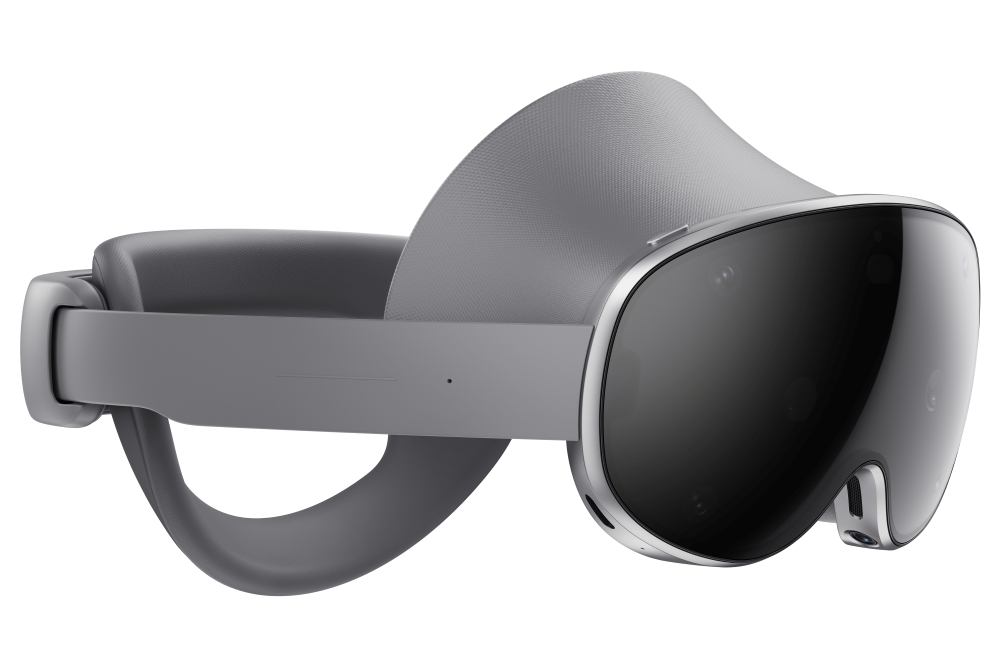
Samsung designed the Galaxy XR with human-centric ergonomics in mind. The headset weighs just around 545 grams, with a perfectly balanced frame that distributes pressure evenly across the forehead and back of the head.
The external battery pack makes the headset lighter and easier to wear, while the detachable light shield helps users switch between open and fully immersive modes. Whether you’re working, gaming, or watching movies, the device remains comfortable for long sessions — something early testers have praised.
A Truly Immersive Experience
Samsung has created an ecosystem that goes beyond traditional VR or AR. Here’s how Galaxy XR enhances entertainment, exploration, and productivity:
1. Entertainment Reimagined
Transform any room into a private cinema. Watch YouTube in full 360-degree mode or stream your favorite movies on Google TV with a giant, resizable screen that feels like sitting in an IMAX theater.
Using Google Photos, you can even convert your 2D photos and videos into 3D memories, literally stepping back into your moments.
2. Explore the World in 3D
With Google Maps in XR mode, users can walk through real-world locations like Tokyo, Paris, or New York — exploring every corner in full 3D. You can even point your gaze at a landmark and ask Gemini, “What’s the history of this place?” — and it will instantly tell you, thanks to AI vision understanding.
The new Circle to Search feature works in both digital and real-world view: just circle an object with your finger or hand, and Gemini finds information about it instantly.
3. Work and Create Without Limits
Your workspace is no longer confined to a screen. The Galaxy XR lets you open multiple apps — browser, documents, Meet calls, and music — around you in virtual space.
Designers can sketch with Concepts, video editors can use Adobe’s Project Pulsar for 3D video editing, and professionals can even connect their PC for a complete desktop-like experience.
When your digital workspace gets cluttered, just say, “Hey Google, organize these windows,” and Gemini automatically arranges everything neatly — a glimpse of AI and productivity working hand-in-hand.
Enterprise and Developer Opportunities
Beyond entertainment, Samsung is positioning the Galaxy XR for serious work and training. Industries such as construction, shipbuilding, healthcare, and education can use it for virtual training and remote collaboration.
Samsung has already partnered with Samsung Heavy Industries for virtual shipbuilding training, and with Qualcomm’s Snapdragon Spaces™ platform to enable developers to build XR-optimized enterprise apps.
Because Galaxy XR supports open standards, developers can easily port their Android apps or XR experiences to the new platform, making it a promising opportunity for India’s growing developer community.
Price, Availability, and Special Launch Offers
The Samsung Galaxy XR is priced at $1,799 (approx. ₹1,50,000) and is currently available in the U.S. and Korea through Samsung’s official website and Experience Stores.
Samsung is also offering an Explorer Pack — a limited-time bundle that includes:
- 12 months of Google AI Pro, YouTube Premium, and Google Play Pass
- A trial of YouTube TV or TVING Premium (depending on region)
- Free access to NBA League Pass or Coupang Play Sports
- Bonus apps like Calm, Adobe Project Pulsar, Asteroid, and more
The company is expected to roll out Galaxy XR to other global markets, including India, in the coming months.
The Beginning of Android XR Future
Samsung has confirmed that Galaxy XR is just the first step in its long-term XR journey. The company plans to expand this ecosystem with AI glasses and other form factors co-developed with Google, Warby Parker, and Gentle Monster — blending fashion with advanced computing.
As Won-Joon Choi, Samsung’s COO of Mobile eXperience, said,
“Galaxy XR expands the vision for mobile AI into a new frontier of immersive and meaningful possibilities — moving XR from concept to everyday reality.”
And according to Google’s Sameer Samat,
“Android XR is built entirely for the Gemini era, unlocking new ways to explore, connect, and create — building an open, unified platform for the next evolution of computing.”
Galaxy XR
The Samsung Galaxy XR powered by Android XR is not just a headset — it’s the beginning of a new computing era where AI, spatial computing, and mixed reality merge into one seamless experience.
From transforming your room into a cinema to creating your own 3D workspace, Galaxy XR redefines how we interact with technology. With strong partnerships, open-source compatibility, and next-gen hardware, Samsung’s XR vision seems ready to set new benchmarks in immersive tech.
As this ecosystem evolves, it will be exciting to see how quickly developers, creators, and consumers — especially in markets like India — adopt this next frontier of AI-powered extended reality.
